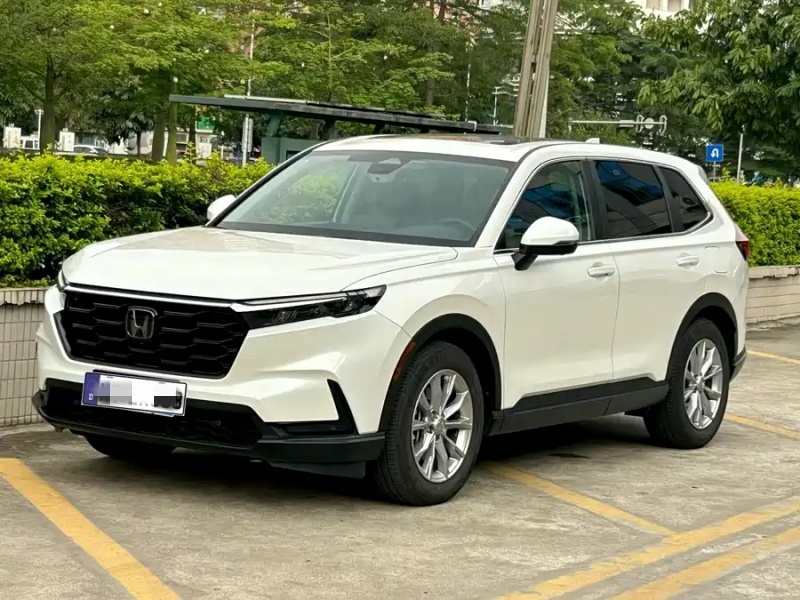
Honda CR-V editorial inspection image

2026-08-03 · Practical buyer guide

Honda CR-V AWD Rear Differential Inspection

A practical Honda CR-V AWD inspection covering rear differential fluid, tire matching, binding, noise and fault codes.

Honda CR-V: A CR-V export purchase should be supported by mechanical history and a repeatable inspection, especially for the CVT, AWD hardware and the exact seating or cargo configuration. This guide treats AWD driveline condition as a buyer decision supported by evidence rather than a set of general claims.

Before inspection, define the destination market, operating pattern and preparation budget. Then request a VIN-specific proposal through pandausedcars.com and agree on the required photographs, video and diagnostics. This prevents evidence from another vehicle being used in the decision.

How to scope AWD driveline condition

Start by confirming the exact version, destination and required functions. A model badge alone does not prove specification. VIN, production date, installed equipment and software version should appear in one consistent evidence package.

Compare at least two candidates using the same inspection form. For model context, review Honda CR-V: 2026 honda crv review export from china | Panda Used. A repeatable sequence exposes real differences and prevents attractive photographs from replacing technical evidence.

Honda CR-V representative detail for AWD driveline condition
Representative model image; current vehicle availability is confirmed separately.

Step-by-step vehicle checks

1. Compare all four tire sizes and tread depths

Complete “compare all four tire sizes and tread depths” on a clean, dry Honda CR-V, first on a lift and then on the road. Capture overall views, close-ups of mounting points and measurements that can be repeated after repair. For AWD driveline condition, tire wear, steering position, protection panels and geometry belong in one analysis because one symptom often explains another. Fresh detailing, new tires or undercoating must not conceal the original condition of metal and fasteners. A consistent method makes candidate comparison more reliable.

2. Inspect differential seals and fluid history

For “inspect differential seals and fluid history,” arrange a genuine cold start; a Honda CR-V warmed before the inspector arrives removes a valuable part of the test. Record engagement delay, sound, temperature and faults, then repeat load conditions after warm-up. With AWD driveline condition, diagnostic values must be read alongside service history and fluid condition. A reset of adaptations or codes without a documented repair is a red flag requiring another test. This preserves evidence for negotiation and final acceptance.

3. Perform slow tight turns in both directions

Turn “perform slow tight turns in both directions” into a repeatable test with a defined start, conditions and result. On the Honda CR-V, the inspector shows the VIN, completes the action without edited gaps and records every deviation. For AWD driveline condition, define acceptance criteria before testing: what is normal, what changes price and what makes the purchase unacceptable. Repeat the same test after any corrective work. The result can be repeated before carrier handover.

4. Scan AWD-related modules after the test

Turn “scan AWD-related modules after the test” into a repeatable test with a defined start, conditions and result. On the Honda CR-V, the inspector shows the VIN, completes the action without edited gaps and records every deviation. For AWD driveline condition, define acceptance criteria before testing: what is normal, what changes price and what makes the purchase unacceptable. Repeat the same test after any corrective work. The record protects the buyer from verbal reinterpretation after payment.

Red flags and evidence quality

Do not accept “everything is normal” without source evidence. A reliable report shows VIN, test conditions, date, mileage and the actual measurement. When a concern is found, record the cause, repair estimate and repeat-test result.

Make the decision and prepare shipment

Separate findings into safety or registration blockers, price-relevant defects and cosmetic items. Resolve blockers before the deal or reject the vehicle. For the remaining items, agree on discount, repair responsibility and repeat-verification risk.

Before carrier handover, repeat the condition photographs and verify keys, cables, documents, batteries and tires. Continue with the next Honda CR-V buyer guide to cover adjacent risks.

Honda CR-V representative exterior for export planning
Condition evidence must belong to the inspected VIN; this image represents the model.

Frequently asked questions

How should “compare all four tire sizes and tread depths” be documented?

Show the Honda CR-V VIN, starting conditions and the complete test without gaps. Preserve measurements or diagnostic files in their original format.

What if “inspect differential seals and fluid history” cannot be verified?

Do not assume it is correct. Record the limitation, price the maximum credible risk and either delay payment or include that exposure in the deal.

When should AWD driveline condition be tested again?

Repeat after repair, code clearing, software updates or extended storage. Use the same conditions so the before-and-after results remain comparable.

What should transfer with the Honda CR-V?

Provide the VIN-linked report, photographs, video, diagnostic files, finding list, completed-work evidence, keys and agreed export documents.

Panda Used Cars Logo

Panda Used Cars

China Export Dealer

Globally Competitive Prices
Exporting Used & New Cars

💬 Chat on WhatsApp (English) 💬 Чат в WhatsApp (Русский) 📱 Add on WeChat +8616696068752 ✉️ info@pandausedcars.com → View More Models & Latest Prices (pandausedcars.com)