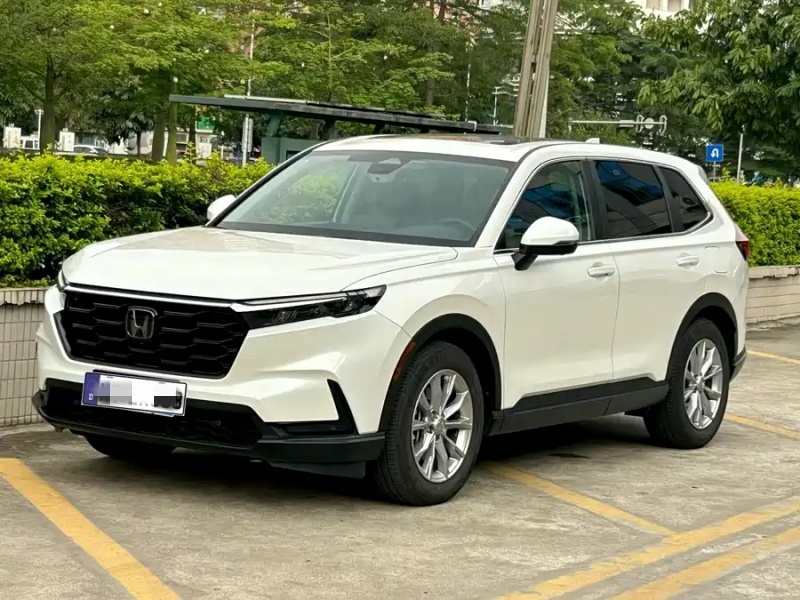
Honda CR-V: A CR-V export purchase should be supported by mechanical history and a repeatable inspection, especially for the CVT, AWD hardware and the exact seating or cargo configuration. This guide treats fleet specification verification as a buyer decision supported by evidence rather than a set of general claims.
Before inspection, define the destination market, operating pattern and preparation budget. Then request a VIN-specific proposal through pandausedcars.com and agree on the required photographs, video and diagnostics. This prevents evidence from another vehicle being used in the decision.
How to scope fleet specification verification
Start by confirming the exact version, destination and required functions. A model badge alone does not prove specification. VIN, production date, installed equipment and software version should appear in one consistent evidence package.
Compare at least two candidates using the same inspection form. For model context, review Honda CR-V: 2026 honda crv review export from china | Panda Used. A repeatable sequence exposes real differences and prevents attractive photographs from replacing technical evidence.

Step-by-step vehicle checks
1. Photograph every seating row and folding mechanism
Test “photograph every seating row and folding mechanism” through repeated cycles and with the load for which the Honda CR-V is being purchased. Power functions, belts, climate, doors and folding mechanisms must work consistently, not once, without faults or abnormal noise. For fleet specification verification, film the complete sequence from entry to cargo placement. The buyer then sees usable space and knows which items require preparation. This preserves evidence for negotiation and final acceptance.
2. Measure usable cargo space for the intended load
Test “measure usable cargo space for the intended load” through repeated cycles and with the load for which the Honda CR-V is being purchased. Power functions, belts, climate, doors and folding mechanisms must work consistently, not once, without faults or abnormal noise. For fleet specification verification, film the complete sequence from entry to cargo placement. The buyer then sees usable space and knows which items require preparation. The result can be repeated before carrier handover.
3. Confirm spare wheel or repair-kit equipment
Complete “confirm spare wheel or repair-kit equipment” on a clean, dry Honda CR-V, first on a lift and then on the road. Capture overall views, close-ups of mounting points and measurements that can be repeated after repair. For fleet specification verification, tire wear, steering position, protection panels and geometry belong in one analysis because one symptom often explains another. Fresh detailing, new tires or undercoating must not conceal the original condition of metal and fasteners. The record protects the buyer from verbal reinterpretation after payment.
4. Match visible features to the VIN specification
For “match visible features to the VIN specification,” compare every number and spelling across at least two independent sources. The Honda CR-V VIN must read identically on the body, identification plate, scan, invoice and export papers. With fleet specification verification, chronology matters: production date, registration events, mileage and service entries must form a possible sequence. Return blurred copies or unexplained corrections to the seller before payment. A consistent method makes candidate comparison more reliable.
Red flags and evidence quality
Do not accept “everything is normal” without source evidence. A reliable report shows VIN, test conditions, date, mileage and the actual measurement. When a concern is found, record the cause, repair estimate and repeat-test result.
- Model names can cover different market equipment.
- Photos from another unit are not acceptable.
- Fleet quotes need one specification sheet per VIN.
Make the decision and prepare shipment
Separate findings into safety or registration blockers, price-relevant defects and cosmetic items. Resolve blockers before the deal or reject the vehicle. For the remaining items, agree on discount, repair responsibility and repeat-verification risk.
Before carrier handover, repeat the condition photographs and verify keys, cables, documents, batteries and tires. Continue with the next Honda CR-V buyer guide to cover adjacent risks.

Frequently asked questions
How should “photograph every seating row and folding mechanism” be documented?
Show the Honda CR-V VIN, starting conditions and the complete test without gaps. Preserve measurements or diagnostic files in their original format.
What if “measure usable cargo space for the intended load” cannot be verified?
Do not assume it is correct. Record the limitation, price the maximum credible risk and either delay payment or include that exposure in the deal.
When should fleet specification verification be tested again?
Repeat after repair, code clearing, software updates or extended storage. Use the same conditions so the before-and-after results remain comparable.
What should transfer with the Honda CR-V?
Provide the VIN-linked report, photographs, video, diagnostic files, finding list, completed-work evidence, keys and agreed export documents.