Honda CR-V e:HEV vs e:PHEV: Is Plug-in Worth It?
CR-V e:HEV and e:PHEV are different ownership choices even though both use hybrid technology. The full hybrid does not require plug-in charging; the plug-in adds an external charging routine and a different battery-use proposition. Decide whether that routine works for you before paying for an electric-driving benefit you may rarely use.
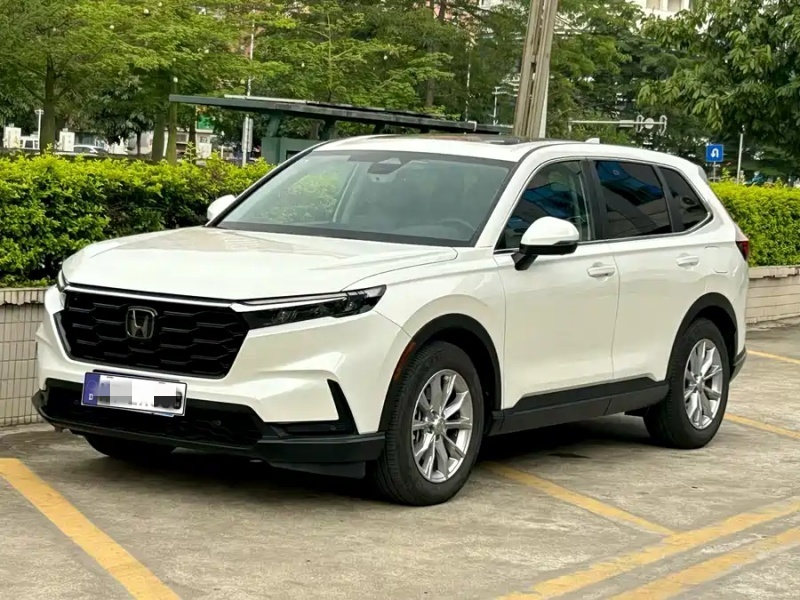
Confirm the car behind the hybrid label
Record original market, year, factory powertrain description and drive layout. Do not infer AWD, charging equipment or seating from the hybrid badge alone. Published UK or European specifications do not automatically describe every China-market offer. Ask the seller to identify the exact vehicle and provide the appropriate documents before comparing battery figures or equipment packages.
Count the journeys that can genuinely use charging
List your usual daily distances and where you can reliably plug in. Include access permission, charging compatibility and the time the car remains parked. A charger that is occasionally available is not the same as a dependable home or workplace arrangement. Assess the plug-in around that realistic access, not the intention to change your habits after buying the car.
For the related checks, read Honda CR-V Hybrid Battery: What an Inspection Should Show.
Compare total energy and purchase costs
Separate electricity, fuel and public-charging fees. Avoid comparing a plug-in fuel figure after a full charge with a full-hybrid result over a different route and calling it a complete saving. Use comparable quotations and account for differences in condition and equipment. Test a lower-mileage or less-frequent-charging scenario so the decision does not rely only on the most favourable assumptions.
Inspect both systems according to the version
A used full hybrid needs appropriate hybrid-system and mechanical assessment; a used plug-in also needs its charging operation checked. Review service records, battery evidence and normal engine operation with a qualified inspector. The phrase e-CVT should not be treated as proof that a hybrid uses the same servicing or transmission arrangement as a petrol CR-V CVT. Obtain version-specific advice.
What to request before agreeing the purchase
- A verified powertrain and market record, including actual drive layout.
- A charging routine and energy-cost calculation based on your own use.
- Appropriate battery, engine and charging evidence for the selected version.
The buying decision
e:PHEV is worth investigating when regular charging and the complete purchase terms support your use. e:HEV may be simpler for a household without that access. Let the actual vehicle and realistic routine decide, not a headline fuel figure detached from electricity use.
Questions buyers ask
Does e:HEV need a home charger?
No external charging routine is required for the conventional full-hybrid version discussed here.
Are hybrid e-CVT and petrol CVT maintenance interchangeable?
Do not assume so. Identify the actual drivetrain and follow its applicable manufacturer guidance.