Honda CR-V vs Mitsubishi Outlander: Petrol SUVs
A petrol CR-V and fourth-generation Outlander are relevant alternatives for a family shopping in the same broad SUV class. For this comparison, the Honda is a 1.5 Turbo version and the Mitsubishi is a confirmed 2.5 petrol model. Outlander PHEV and older Outlander generations are excluded. Seating availability and drivetrain vary by market, so the exact cars must be identified before a price comparison is useful.

Comparison at a glance
| Buying factor | Honda CR-V 1.5 Turbo | Mitsubishi Outlander 2.5 petrol |
|---|---|---|
| Selected engine | CR-V 1.5 Turbo petrol | Outlander fourth-generation 2.5 petrol |
| Not included | Hybrid or plug-in CR-V | Outlander PHEV or older-generation data |
| Passenger question | Actual registered seating and usable cargo | Actual registered seating and usable cargo |
| Condition evidence | Turbo engine, CVT and chosen drive | Petrol engine, CVT and chosen drive |
Passenger requirements should lead the shortlist
If you need occasional extra seats, inspect the exact Outlander layout, access and remaining luggage space. Do not assume that every example has the same seating or that an occasional third row is suitable for every adult. Check the CR-V configuration with equal care. For a five-person family, compare rear seating and cargo with all required places usable. Published maximum boot volumes with folded seats do not describe an airport journey with passengers.
Understand the engine choice without inventing a reliability ranking
The selected Honda uses a smaller turbocharged petrol engine, while the specified Outlander uses a larger naturally aspirated petrol unit. That is a real distinction, but it does not establish which used car is healthier or cheaper to maintain. Check the actual service requirements, fuel specification and workshop support. Test both CVT-equipped vehicles in normal conditions and ask an inspector to investigate abnormal behavior rather than diagnosing a model from an internet stereotype.
A complete quotation should expose condition differences
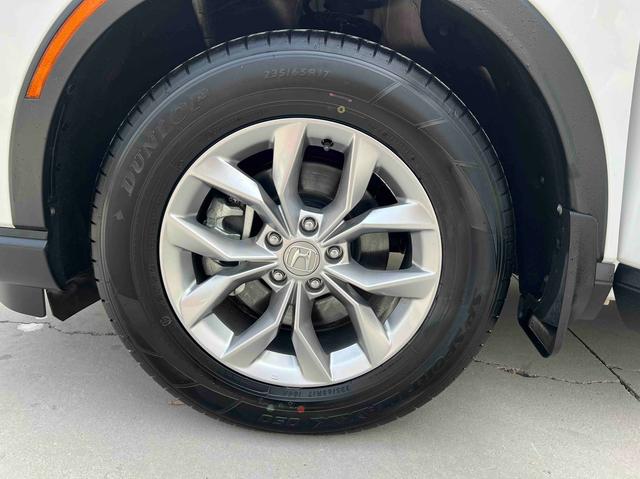
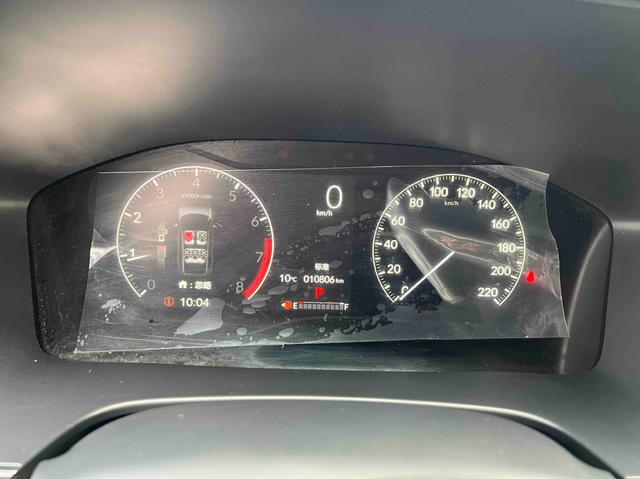
Ask for tires, brakes, scheduled service and any known repairs to be itemized. On used stock, compare maintenance, collision repairs and underbody condition. Verify AWD hardware only where it is actually fitted and required by the buyer. On new stock, check production and registration status and the delivered equipment list. The broader vehicle class may be similar, but the financial comparison only becomes fair when both offers include equivalent preparation and delivery terms.
Which should you choose?
Choose CR-V when its actual cabin and verified 1.5 Turbo drivetrain better fit the household and service plan. Choose Outlander when its confirmed seating flexibility or other equipment supplies a benefit you will use. If both meet the brief, the more transparent history and smaller confirmed preparation bill are stronger reasons than a generic claim about engine size or brand reliability.
Questions before buying
Can the Outlander PHEV use this comparison?
No. Its plug-in drivetrain requires a separate charging and battery-use assessment.
Does a third row settle the choice automatically?
Only if you need it and it is usable for your passengers while leaving enough luggage space.